
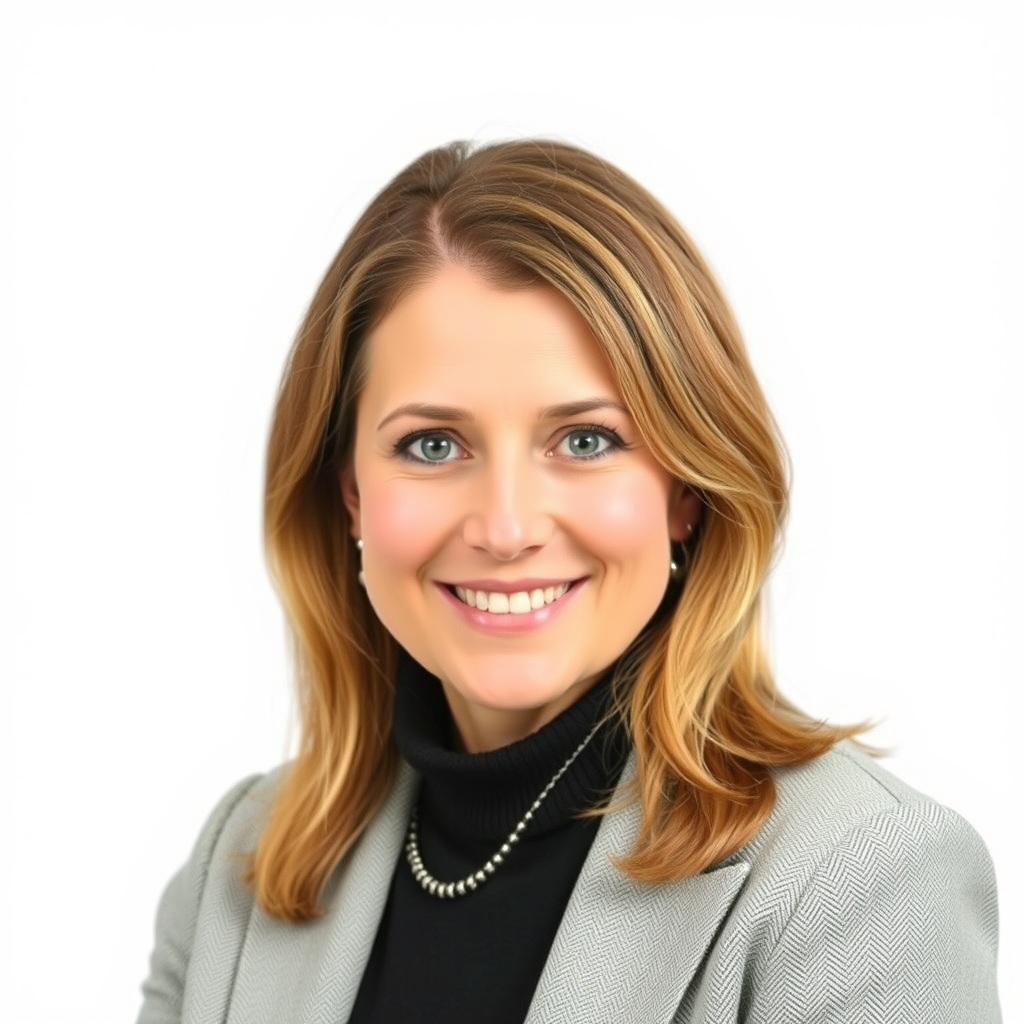

Previous tech leader has been officially appointed as the BBC's next chief executive.
The previous head of the tech giant's EMEA region will take over from Tim Davie, who revealed his departure in November after a row over how a BBC programme edited a address by former President Trump.
BBC chairman Samir Shah that Brittin, who departed from Google in 2025 after a long tenure, "offers the BBC extensive expertise of leading a high-profile and complex institution during a period of change".
Brittin said he "can't wait to start this task", labeling it "a period of genuine challenge, yet also significant opportunity".
He added that the United Kingdom needs "a thriving BBC that works for all in a complicated, volatile and rapidly evolving landscape".
Outlining his vision, he added: "The corporation requires the momentum and vigour to be both where stories are, and where audiences are. To build on the audience, credibility and creative strengths currently, confront issues with bravery, and succeed as a publicly-funded broadcaster ready for the future."
'Sweeping Change'
Shah called the new appointee "an outstanding leader" with "the attributes needed to guide the corporation through the numerous shifts happening in the media market and in audience habits".
The BBC chief also highlighted his "passion for the BBC, his grasp of the issues confronting the organisation, his allegiance to its autonomy and his resolve to preserve the BBC's position as one of the nation's key national assets".
The new director general arrives at "a critical time", as the government examines the BBC's royal charter, Shah stated.
"There is no doubt there is a necessity for sweeping transformation of the BBC, its licence fee system and the structure in which it functions. The risks for the BBC, and the future of publicly-funded media, have never been greater."

The corporation's top job is seen to be one of the toughest in British media.
During Davie's time in office as the broadcaster's leader, he was faced with handling a number of scandals and difficult periods at the organisation.
Brittin's priorities will involve dealing with a high-value defamation claim filed by the former president against the BBC.
The former president is objecting to the way the documentary combined two segments of a speech he delivered on a key date, for which the BBC has apologised.
The previous week the broadcaster urged a court to dismiss the claim, saying the Panorama segment did not transmit in the United States.
BBC at a Turning Point
The new chief steps into the role at a pivotal period for the BBC in other ways, too.
He will take forward discussions with the government on the broadcaster's constitution and the fate of the licence fee and BBC funding.
The present framework, which defines the conditions and purposes of the BBC's operation, will come to an end in the near future.
His hiring also occurs at a time when the BBC is battling with digital behemoths in the online content landscape.
The search engine's parent company controls YouTube, with which the BBC not long ago revealed a landmark agreement to create bespoke content.
Technology Background a Bonus?
Several figures inside Google "speak highly" about him, as an charismatic boss and a excellent colleague".
Some have questioned the BBC's choice of someone with a career history in tech rather than traditional broadcasting or traditional editorial expertise.
However, it is believed that "the board selected him by the corporation's directors for his deep understanding of the digital sector. There's an expectation he will drive the acceleration to online, for example in journalism. He'll also probably focus on evolving and developing BBC iPlayer."
Former senior BBC journalist a former colleague, who worked with him at Google, said he is "highly motivated by a sense of public service".
"He admires the BBC for its reliable news and its creativity, but he's also acutely mindful of its legacy as a technological pioneer.
"He wants the BBC to prosper in a world where several of its most significant challenges are related to digital innovation, whether that's the influence of the streaming services, online misinformation, or simply how people want to access media.
"Given his background and relationships throughout the technology sector, and also the connections he's developed with broadcasters, the journalism sector, oversight bodies and authorities, I think he's extremely well positioned to tackle the issues."
Who is Matt Brittin?

Hailing in southern England, Brittin earned a qualification from the Cambridge University, while also participating in rowing for them in the university boat race multiple times.
He also rowed for Britain and won|secured|earned


